
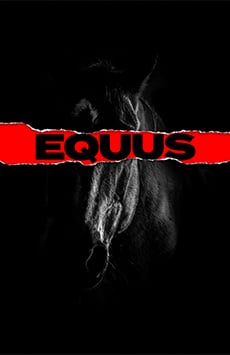
Expert Review: One of British Theatre's Most Daring Works Returns
The Verdict
Equus remains one of British theatre's most psychologically daring works, and the Menier Chocolate Factory's intimate scale makes Peter Shaffer's exploration of worship, passion, and repression feel uncomfortably close. The relationship between psychiatrist Dysart and the troubled Alan Strang crackles with intellectual tension at every performance, raising questions about the cost of so-called normalcy that linger long after the curtain falls. Toby Stephens brings formidable intelligence and emotional depth to Dysart, turning the psychiatrist's crisis of faith into something genuinely haunting.
What Makes It Special
- Toby Stephens as Dysart: One of Britain's finest stage actors takes on one of its most demanding roles — a psychiatrist whose attempt to cure a boy's disturbing obsession forces him to question whether sanity is worth the sacrifice of passion and individuality.
- Shaffer's Uncompromising Text: Written in 1973 and still explosive, Equus refuses comfortable conclusions. Its central argument — that normality destroys as surely as madness — retains every ounce of its provocative force fifty years on.
- Intimate Staging: The Menier Chocolate Factory's 180-seat space creates an intensity impossible in larger venues. Dysart's monologues addressed directly to the audience become genuinely confrontational — you cannot look away.
- Physical Theatre: The famous horse sequences, in which actors portray horses through stylised movement and minimal staging, demand total commitment and achieve a ritual power that has made Equus a landmark of physical theatre.
Perfect For
Audiences who enjoy psychologically complex drama; fans of Toby Stephens seeking a major stage performance; theatregoers interested in plays that challenge comfortable assumptions about mental health, religion, and desire; and anyone who appreciates intimate staging that makes great writing feel immediate and inescapable. Equus is not comfortable theatre — it is essential theatre.
Everything You Need to Know
About Equus
When seventeen-year-old Alan Strang blinds six horses in a stable, psychiatrist Dr Martin Dysart is assigned to discover why. What begins as a routine case study becomes an increasingly disturbing journey into the depths of Alan's private world — a world of intense religious fervour, erotic obsession, and a personal mythology built around horses as gods. As Dysart unravels Alan's psyche, he finds himself confronting his own spiritual emptiness and questioning whether the cure is worse than the condition.
Shaffer's Central Argument
Peter Shaffer wrote Equus after reading a newspaper report about a boy who had blinded horses in a stable in Suffolk. Rather than treating the act as simple criminality or madness, Shaffer became fascinated by the inner life that might have produced it — and by the psychiatrist who would be tasked with destroying it. The play argues that Alan's disturbed passion, however dangerous, represents a form of worship and intensity that Dysart's own rational, comfortable life entirely lacks.
Dysart's Dilemma
The production's dramatic heart lies not with Alan but with Dysart — a middle-aged psychiatrist whose marriage is hollow, whose holidays to Greece feel like pale imitations of genuine passion, and who recognises in Alan's madness something he has never himself experienced. To cure Alan is to normalise him, to replace his terrible gods with nothing. Dysart's crisis — whether he has the right to perform this amputation of the soul — gives Equus its philosophical weight.
The Horse Sequences
Equus is celebrated for its staging of horses through human performers wearing stylised horse heads and moving with choreographed precision. These sequences, originally conceived by director John Dexter for the 1973 National Theatre premiere, create a ritual atmosphere that transforms the stage into something between a psychiatrist's consulting room and an ancient sacrificial space. The horses represent not just animals but the gods Alan has created — and their physicality must convince absolutely.
Performance Schedule
- Dates: TBC 2026 — check LOVEtheatre for announcements
- Evenings: Tuesday–Saturday, 7:30pm
- Matinees: Wednesday & Saturday, 3:00pm
- Running Time: Approximately 2 hours 30 minutes including interval
Getting There
- Tube: London Bridge (Jubilee & Northern lines) — 5 minute walk
- Train: London Bridge station — 5 minute walk
- Bus: Routes 21, 35, 40, 133, 343 stop nearby
- Cycle: Santander docking station on Bermondsey Street
Age Guidance & Content Warnings
Recommended for ages 16+. Equus contains mature themes including sexual content, religious obsession, and depictions of violence against animals. The play handles these subjects with theatrical and intellectual seriousness, but parents should consider carefully before bringing younger teenagers. The nudity and sexual content are integral to the play's themes and are not gratuitous.
Menier Chocolate Factory
One of London's most celebrated Off-West End venues, the Menier Chocolate Factory occupies a converted Victorian chocolate factory in Bermondsey. Its 180-seat flexible theatre has launched numerous West End and Broadway transfers including Sunday in the Park with George and A Little Night Music. The venue also houses a popular restaurant and bar. Step-free access available; contact the box office to discuss specific accessibility requirements.
Booking Information
Tickets from approximately £42. The Menier's intimate scale means all performances sell out quickly — advance booking is essential. Dates for the 2026 run are yet to be confirmed; register interest via LOVEtheatre to be notified when booking opens.
⭐⭐⭐⭐⭐ Full Expert Review
There is no theatre in London better suited to Equus than the Menier Chocolate Factory. In a venue of 180 seats, Peter Shaffer's fifty-year-old masterpiece loses none of its capacity to disturb, challenge, and ultimately devastate. This revival, starring Toby Stephens as the tormented psychiatrist Dysart, confirms both the play's permanent relevance and Stephens' status as one of the most compelling stage actors of his generation.
Toby Stephens: The role of Dysart is a marathon of intelligence and feeling, requiring an actor who can make philosophical argument as gripping as physical action. Stephens manages this with apparent ease — his Dysart is civilised, dry, and hollowed out, a man who has exchanged passion for competence and suspects he made a catastrophic bargain. When he turns to address the audience directly, the intimacy of the Menier makes his confessions feel genuinely private.
Alan Strang: The production's Alan must be simultaneously pathetic and magnificent — a boy whose madness is also a kind of terrible glory. The delicate balance between these qualities is what makes Equus so difficult to stage and so extraordinary when it succeeds. In this production it succeeds completely, Alan's worship of his horse-gods rendered with a physical and spiritual intensity that makes Dysart's determination to cure him feel almost like sacrilege.
The Horse Sequences: The famous choreography remains as powerful as ever. Performers wearing minimal horse-head constructions move with a precision and conviction that transforms the stage into ritual space. When Alan rides, the combination of lighting, movement, and sound creates an experience closer to ceremony than drama — and the violence that follows carries genuine shock.
Shaffer's Text: What is remarkable about Equus is that it has not dated in the ways one might expect. The specific details of Alan's case feel less important than Shaffer's central argument: that psychiatry, in restoring normality, may destroy the only thing that makes a person's inner life worth inhabiting. In 2026, with mental health discourse more sophisticated than ever, this argument feels more rather than less provocative.
Final Verdict: Essential. If you have never seen Equus, this intimate revival with Toby Stephens is the definitive opportunity. If you have seen it before, Stephens' Dysart and the Menier's unforgiving proximity will make it feel new. One of the year's must-see productions.
Rating: 4.7/5 Stars